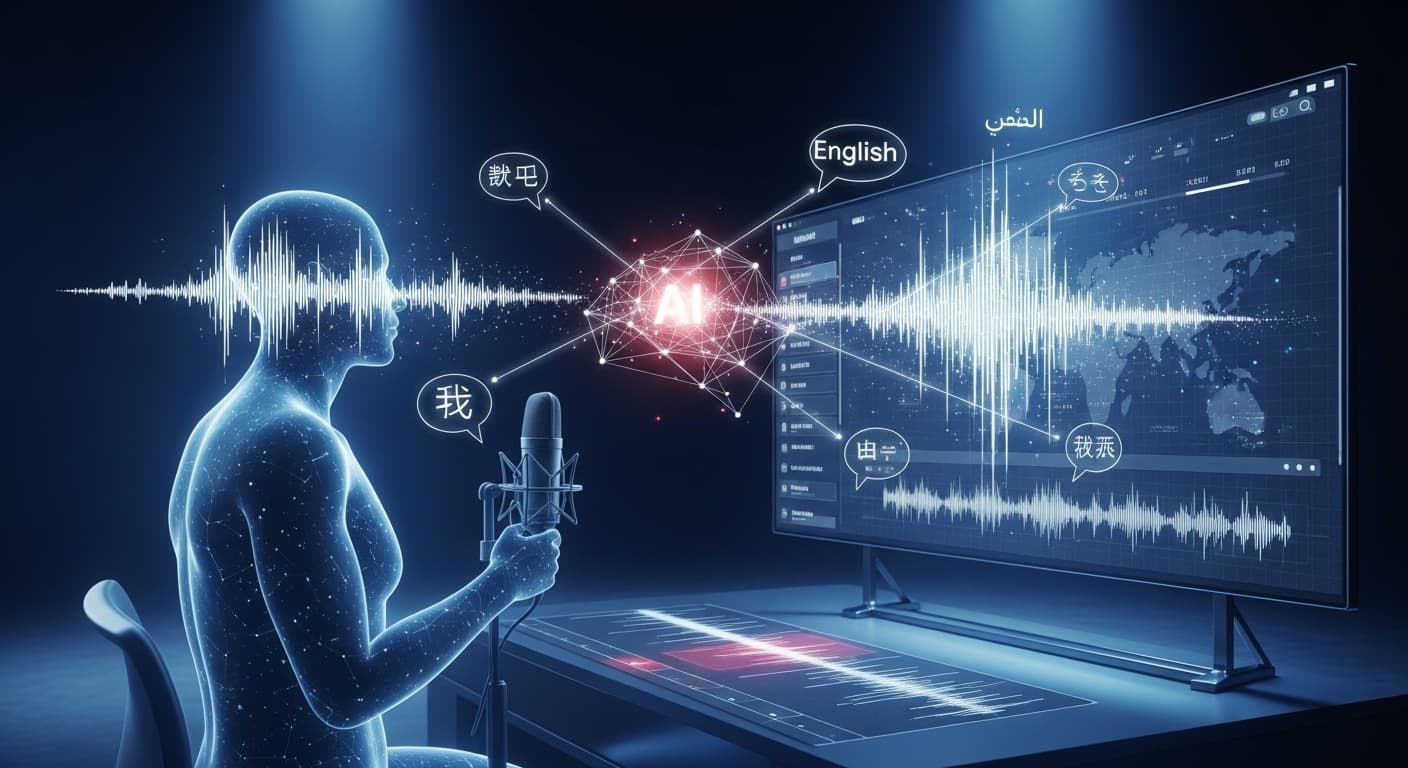
AI video dubbing is one of the fastest ways to turn a single piece of content into a multilingual asset. Instead of rebuilding a video from scratch for every language, you keep the original structure and replace the spoken layer with localized audio.
That sounds simple on the surface, but good dubbing depends on several stages working together.
With AI Video Dubbing, the workflow combines transcription, translation, voice generation, and alignment into one system built for creators and teams that need faster localization.
What AI Video Dubbing Actually Does
At a basic level, AI dubbing takes spoken audio from a source video and produces a new version in another language.
A complete pipeline usually includes:
- speech transcription
- translated script generation
- voice synthesis
- timing alignment
- final export
If any one of these steps is weak, the final dub feels off. That is why dubbing quality is not just about the voice model. It also depends on how well the text is captured and how naturally the translated line fits the original timing.
Step 1: Transcription
Everything starts with the transcript.
If the source speech is transcribed poorly, the translation and final dub will inherit those mistakes. Names, product terms, numbers, and short phrases are especially easy to damage when the transcript is noisy.
That is why clean source audio matters. A clear speaker, low background music, and stable pacing usually produce better results.
Step 2: Translation
Once the transcript exists, the system translates it into the target language.
This is not only a word-replacement problem. Good dubbing translation has to preserve:
- meaning
- tone
- intent
- pacing
A literal translation may be accurate but still sound unnatural in the final voice track. For creator content, the goal is not just correctness. The goal is natural delivery for the target audience.
Step 3: Voice Synthesis
After translation, the system generates speech in the target language.
This is where most people focus, but voice quality alone is not enough. A realistic dubbing result needs:
- stable pronunciation
- matching energy
- believable pacing
- voice consistency across the entire video
In practice, the voice should sound appropriate for the original speaker and for the audience hearing the localized version.
Step 4: Alignment
Alignment is what keeps the dubbed video usable.
If the generated speech runs too long or too short, the dub will feel detached from the original visual rhythm. Even when perfect lip sync is not required, timing still matters because viewers notice unnatural pauses and rushed delivery very quickly.
This is one reason a full dubbing workflow is stronger than doing transcription, translation, and text-to-speech separately in three disconnected tools.
Why Creators Use AI Dubbing
The biggest advantage is scale.
Instead of making one English video and stopping there, creators can reuse the same production work across multiple markets.
This is useful for:
- YouTube videos
- online courses
- product explainers
- interviews
- educational content
- promotional videos
One source video can become several publishable variants without re-recording the full project every time.
Where Dubbing Fits in a Larger Workflow
Dubbing becomes much stronger when it is part of a broader content pipeline.
A practical workflow is:
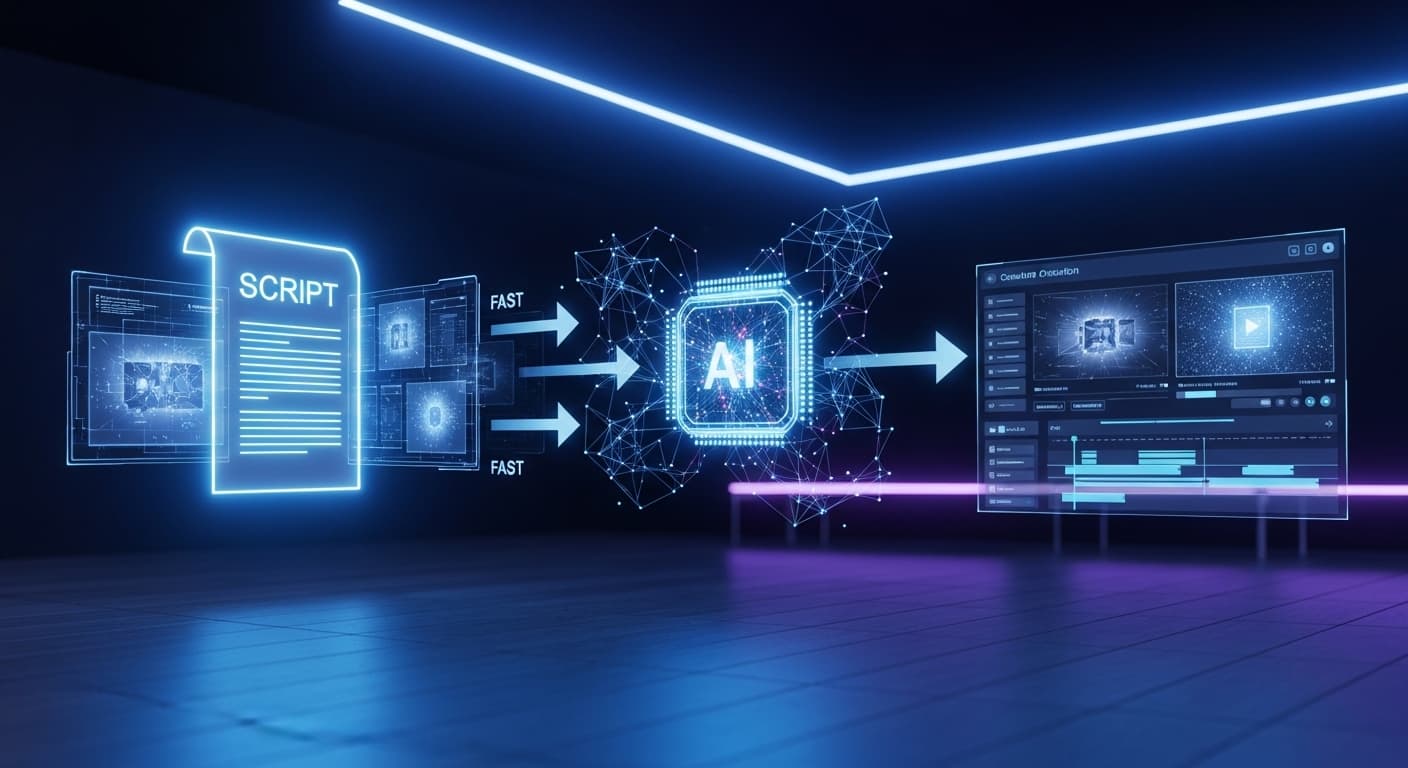
- draft the script in Script Writer AI
- plan visuals in Storyboard Generator
- localize the final video in AI Video Dubbing
That sequence gives you much more control than trying to fix localization at the very end.
Common Mistakes That Hurt Dubbing Quality
Several issues reduce quality fast:
- background music competing with speech
- unclear speaker audio
- scripts with long, overloaded sentences
- last-minute translation without context
- trying to localize delivery before the structure of the original video is solid
The cleaner the source material is, the better the final dubbing result becomes.
What Good AI Dubbing Should Feel Like
A good dubbed video should not feel like a mechanical overlay. It should feel like the content was meant to reach that audience in the first place.
That means the translated version should sound:
- natural
- paced correctly
- aligned to the visual flow
- consistent with the original message
Final Takeaway
AI dubbing works best when it is treated as a localization workflow, not just a voice generation trick.
Transcription, translation, synthesis, and alignment all matter. When those pieces work together, one video can become a multilingual asset much faster.
If you want the direct product page for this workflow, start with AI Video Dubbing. If you are building the full pipeline from scratch, pair it with Script Writer AI and Storyboard Generator.