Content creation has changed dramatically in recent years, and artificial intelligence is at the center of this transformation. From writing articles and generating images to editing videos and producing voiceovers, AI-powered tools are redefining how content is created, distributed, and consumed.
This article explores how artificial intelligence is changing content creation and what this shift means for writers, designers, and digital creators.
The Traditional Content Creation Process
Traditionally, creating content required significant time and effort. Writers spent hours researching and drafting articles, designers manually created visuals, and video editors worked frame by frame.
While this process allowed for creativity, it was often slow, expensive, and difficult to scale. Artificial intelligence has introduced new ways to speed up and simplify these workflows.
How AI Is Used in Writing Content
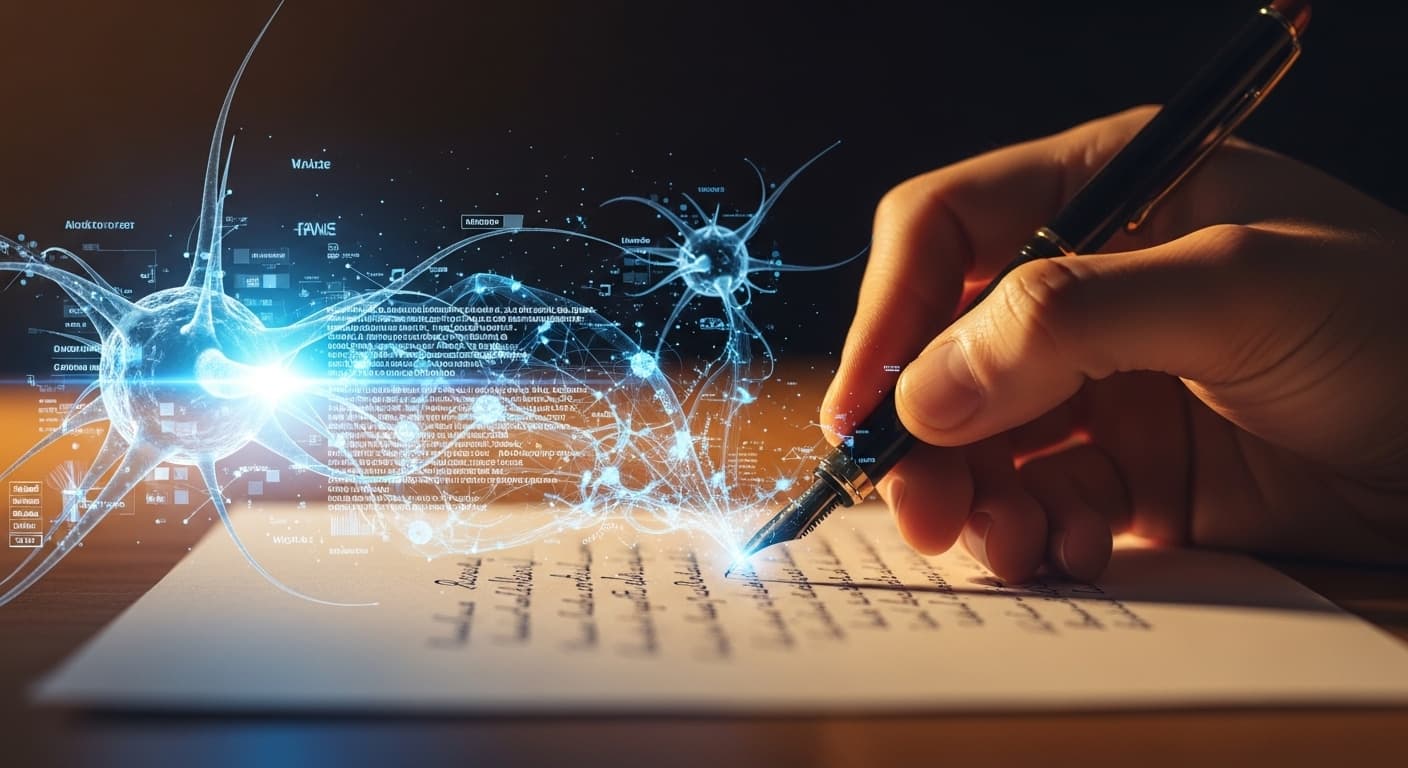
AI writing tools can generate blog posts, scripts, product descriptions, and social media captions within seconds.
These tools analyze massive datasets of language patterns to produce readable and structured text. While AI-generated content often requires human editing, it significantly reduces the time needed to create first drafts. For many creators, AI acts as a writing assistant rather than a replacement.
AI in Image and Design Creation
AI-powered image generators allow users to create visuals from simple text prompts.
Designers can quickly generate concepts, mockups, and illustrations without starting from scratch. This has lowered the barrier to entry for visual content creation and enabled faster experimentation. However, human creativity and artistic direction remain essential for producing meaningful designs.
AI in Video and Audio Production
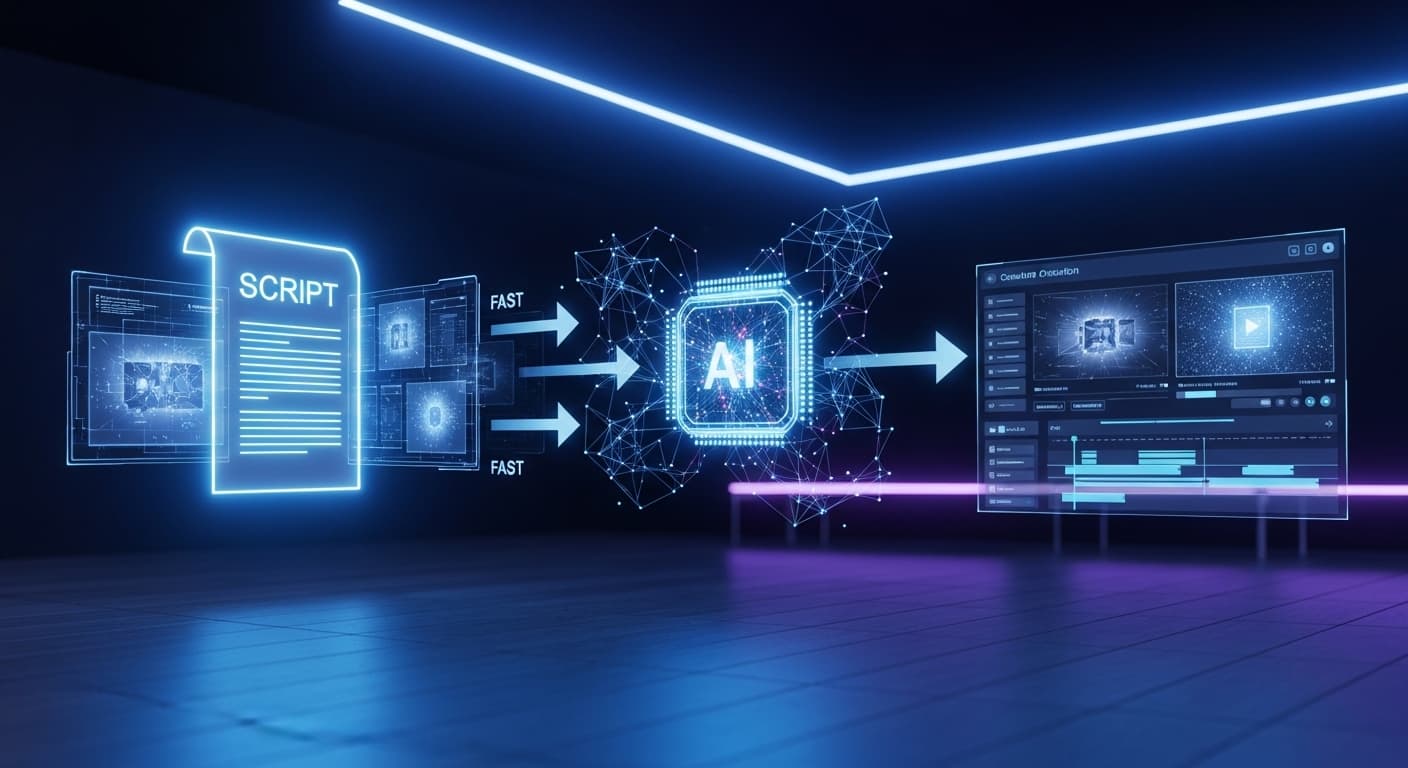
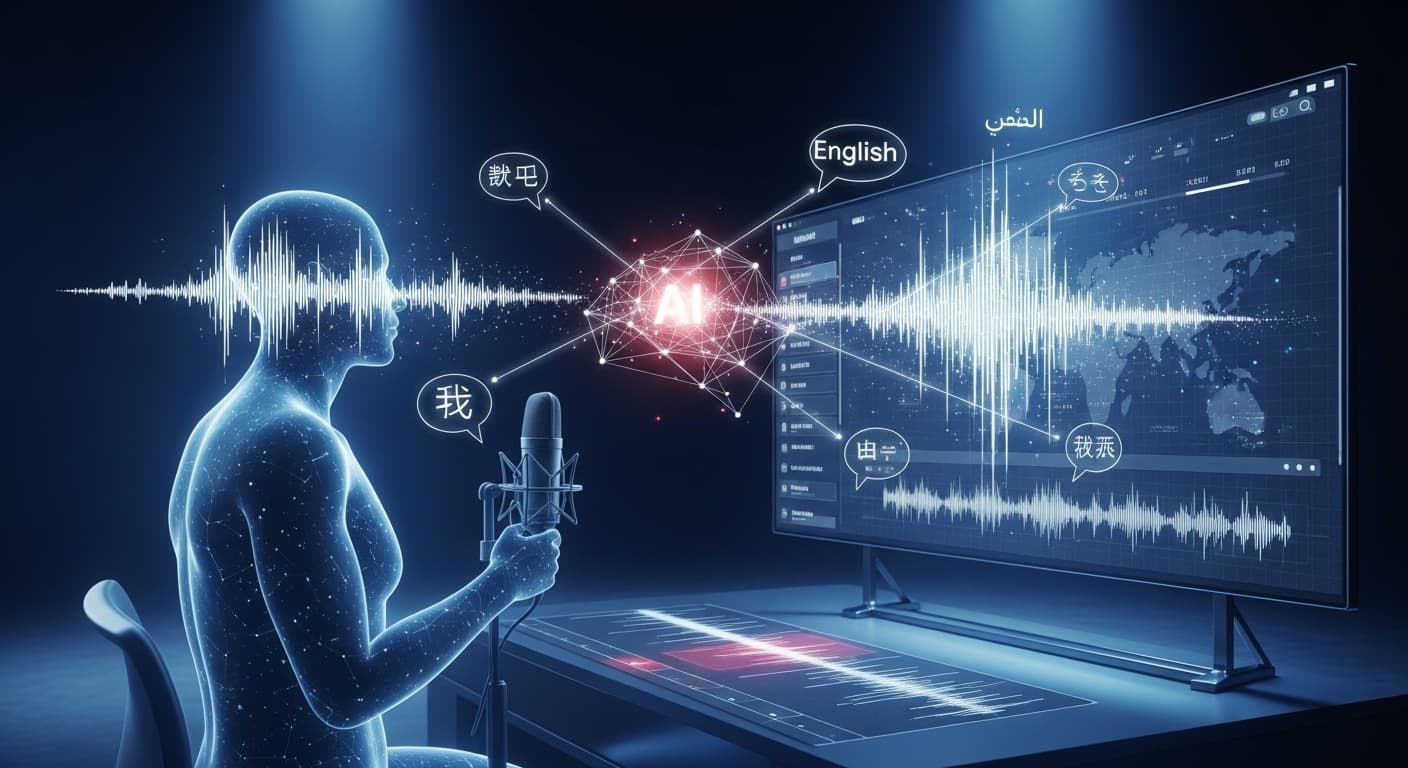
Artificial intelligence is also transforming video and audio creation.
AI tools can generate voiceovers, remove background noise, edit clips automatically, and even create realistic digital avatars. These capabilities allow small teams and individual creators to produce professional-quality content with limited resources. This has opened new opportunities for independent creators and businesses.
Benefits of AI in Content Creation
One of the biggest advantages of AI is efficiency. Tasks that once took hours can now be completed in minutes.
AI also helps creators overcome creative blocks, maintain consistency, and scale content production across multiple platforms. Additionally, AI tools can analyze audience data and optimize content for better engagement.
Limitations and Risks
Despite its advantages, AI-generated content has limitations.
AI lacks true creativity, emotional depth, and contextual understanding. Without human oversight, content can become repetitive, inaccurate, or generic. There are also ethical concerns related to originality, copyright, and misinformation. For these reasons, human review remains critical.
Will AI Replace Human Creators?
AI is unlikely to fully replace human creators. Instead, it is changing the role of creators.
The focus is shifting from manual production to strategic thinking, creativity, and quality control. Creators who learn how to use AI effectively will gain a competitive advantage, while those who ignore it may struggle to keep up.
The Future of Content Creation
The future of content creation will likely involve close collaboration between humans and artificial intelligence.
AI will handle repetitive and technical tasks, while humans will guide vision, storytelling, and ethical decision-making. This partnership has the potential to elevate content quality rather than diminish it.
Conclusion
Artificial intelligence is reshaping content creation in powerful ways.
Rather than replacing human creativity, AI enhances it by providing tools that increase efficiency and expand creative possibilities. The most successful creators will be those who embrace AI responsibly and use it to amplify their skills.