Artificial Intelligence (AI) has become one of the most influential technologies of the modern era. From smartphones and social media platforms to healthcare and content creation tools, AI is quietly shaping the way we interact with the digital world.
But despite its widespread use, many people still ask an important question: what exactly is artificial intelligence, and how does it work?
This article explains artificial intelligence in a simple and clear way, making it easy for beginners to understand without technical complexity.
What Is Artificial Intelligence?
Artificial Intelligence refers to computer systems designed to perform tasks that normally require human intelligence. These tasks include learning from data, recognizing patterns, understanding language, and making decisions.
In simple terms, AI allows machines to analyze information and respond intelligently based on previous data and experience.
AI does not have consciousness or emotions. It operates entirely on data, algorithms, and mathematical models.
Is AI the Same as Human Intelligence?
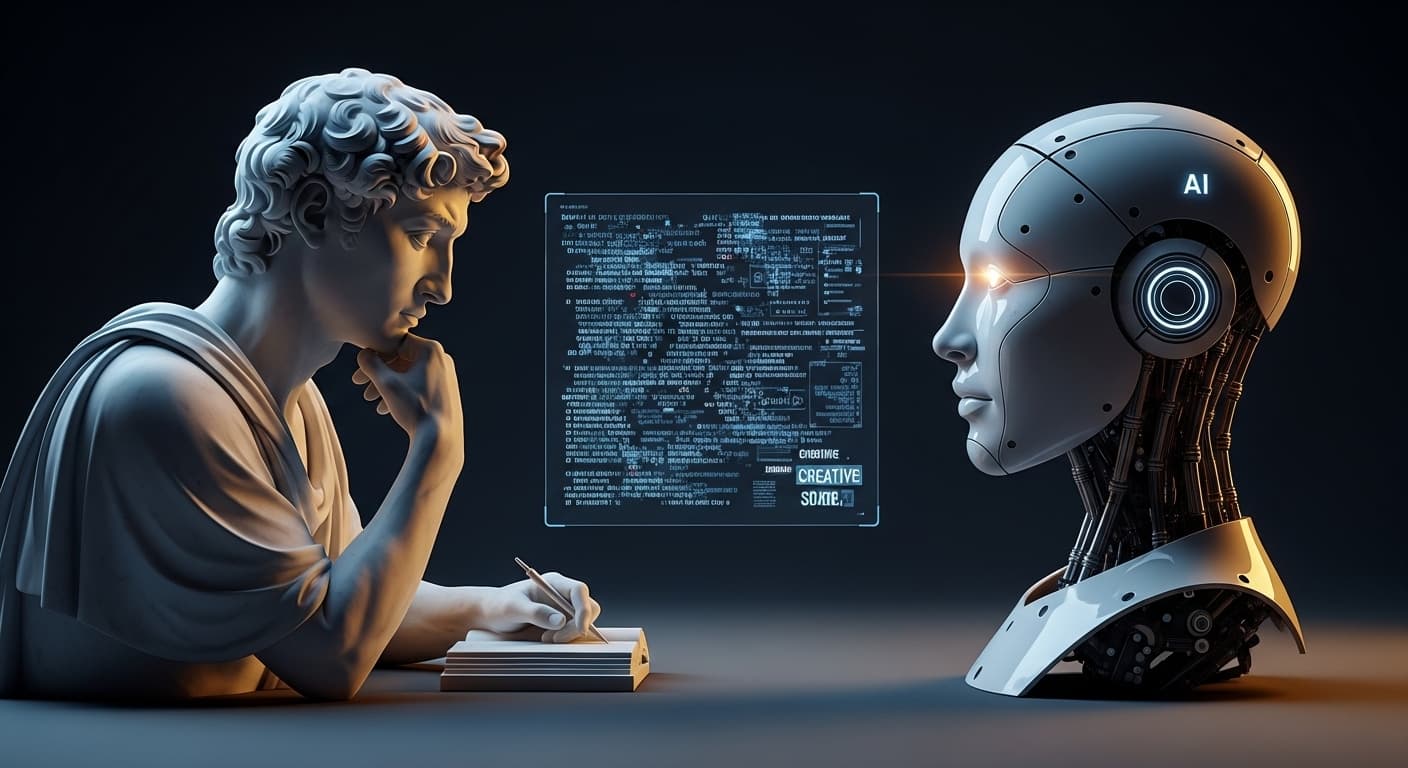
No. Artificial intelligence does not think or reason like a human being. While AI systems can produce results that appear intelligent, they do not truly understand meaning or context the way humans do.
AI systems work by analyzing massive amounts of data and predicting outcomes based on probability. They are powerful tools, but they lack awareness, creativity, and emotions.
Everyday Examples of Artificial Intelligence
Many people use AI daily without realizing it:
- Smartphones use AI for predictive text, facial recognition, and voice assistants.
- Social media platforms rely on AI to recommend posts, videos, and ads tailored to individual users.
- Navigation apps use AI to analyze traffic patterns and suggest faster routes.
These technologies are designed to improve convenience, accuracy, and efficiency.
Types of Artificial Intelligence
There are three commonly discussed types of AI:
- Narrow AI: This is the most common and is the only type currently in use. It is designed to perform a single task, such as language translation or image recognition.
- General AI: This refers to a theoretical form of intelligence capable of performing any intellectual task a human can. This type does not yet exist.
- Super AI: A hypothetical concept where machines surpass human intelligence in every field. This idea remains within the realm of science fiction.
How Does Artificial Intelligence Learn?
AI systems learn through a process called machine learning. This process involves feeding large datasets into algorithms that detect patterns and improve predictions over time.
The system adjusts itself by minimizing errors and refining its responses. The more high-quality data an AI system receives, the more accurate it becomes.
Is Artificial Intelligence Dangerous?
Artificial intelligence itself is not dangerous. However, misuse, lack of regulation, and ethical violations can create risks.
AI must always be used responsibly and with human oversight to prevent misinformation, bias, and abuse.
Common Uses of AI Today
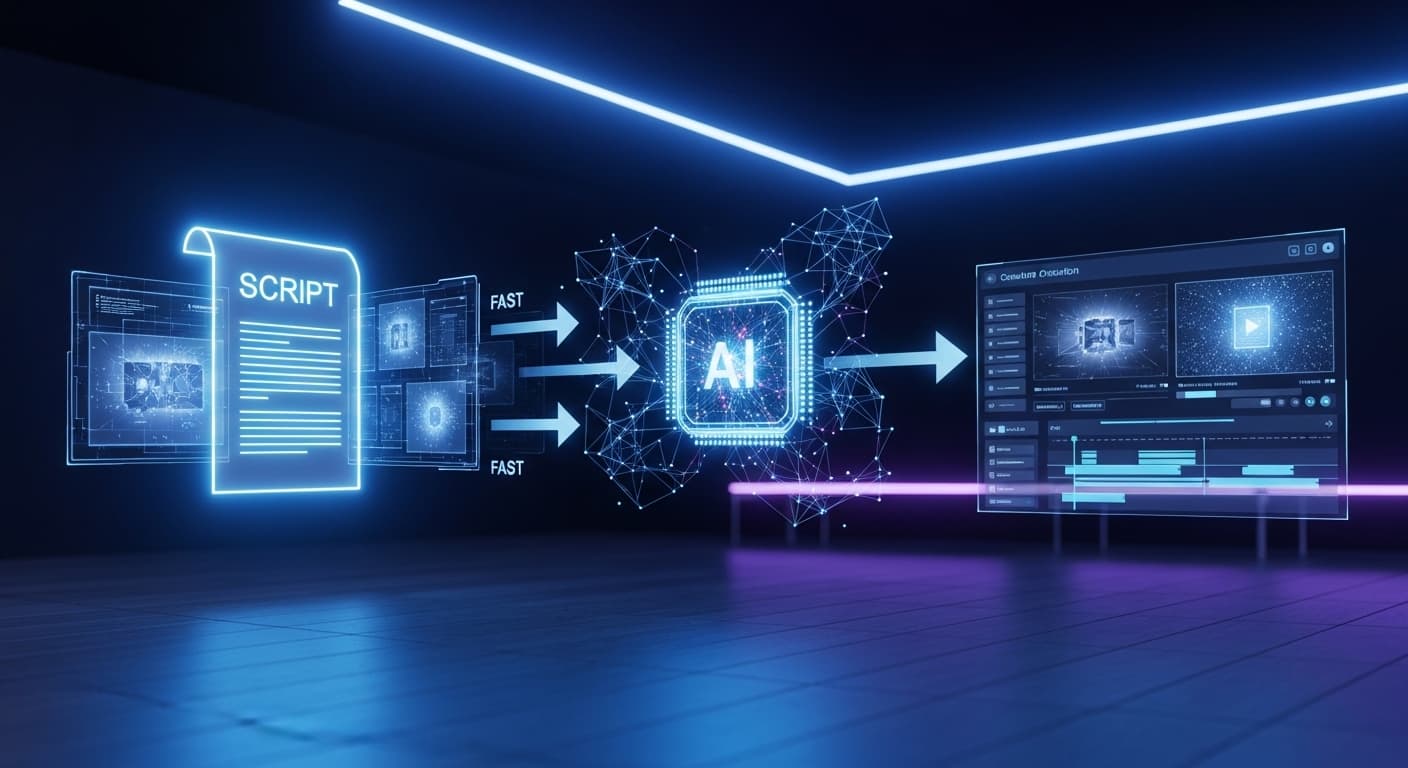
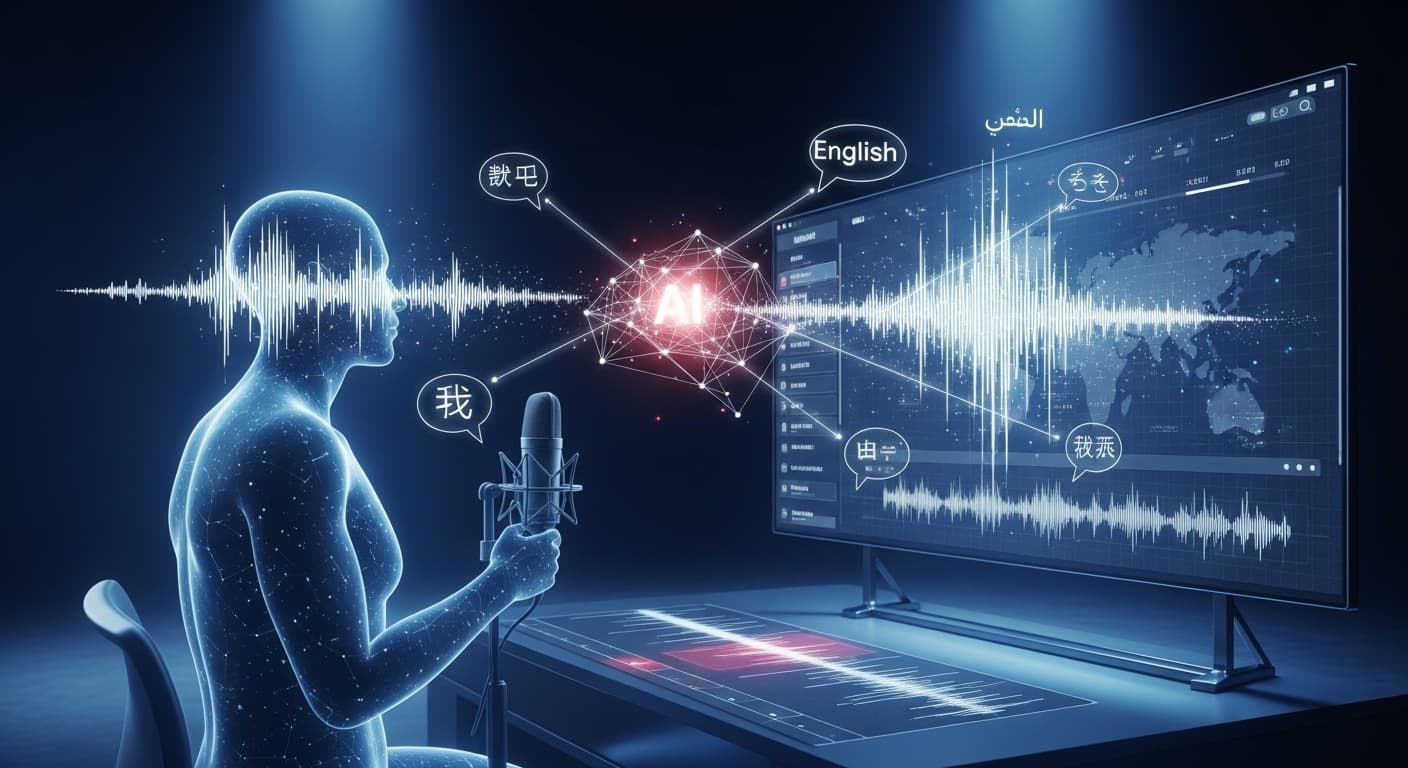
AI is widely used through versatile platforms for writing content, generating images, translating languages, analyzing data, powering customer support chatbots, and assisting in medical diagnostics.
These applications help businesses and individuals save time and improve productivity.
Will AI Replace Human Jobs?
AI will change the job market, but it will not eliminate the need for humans. While automation may replace repetitive tasks, it also creates new opportunities and roles.
People who adapt and learn how to use AI tools effectively will remain highly valuable in the future workforce.
Should You Learn Artificial Intelligence?
You do not need to be a programmer to benefit from AI. Understanding the basics and learning how to utilize comprehensive AI platforms can provide a significant advantage in many industries.
The key is awareness, adaptability, and responsible use.
Conclusion
Artificial intelligence is neither magic nor a threat by default. It is a powerful technology shaped by human choices.
Those who understand AI and use it wisely will benefit the most from its potential, while those who ignore it may struggle to keep up in an increasingly automated world.